Not on air · 2 of 3 networks checked
IAV GmbH
- iav.com
- DE
- 3,820 employees
IAV GmbH’s ads on LinkedIn, Meta and Google, recorded by adsrunning. Browse the latest here for free. Sign up free to see all 71. Watch IAV GmbH with Starter to get each new one in your feed.
Watchlist with Starter · $49/mo
| Network | Status | Live ads | Nov 2025LinkedIn activity · 52 weeksOct 2026 | Checked | Next step |
|---|---|---|---|---|---|
| None recorded | 0 | Checked 29 Oct 2026 | See all 71 ads → | ||
| Meta | Not checked | — | |||
| None recorded | 0 | No ads found on the Google Ads Transparency Center | Checked 30 Sept 2026 | Collect them with the API → |
IAV GmbH has no live LinkedIn ads. We recorded no Google ads on 30 Sept 2026.
Latest ads
- LINKEDIN · IMAGESince 19 Sept 2026
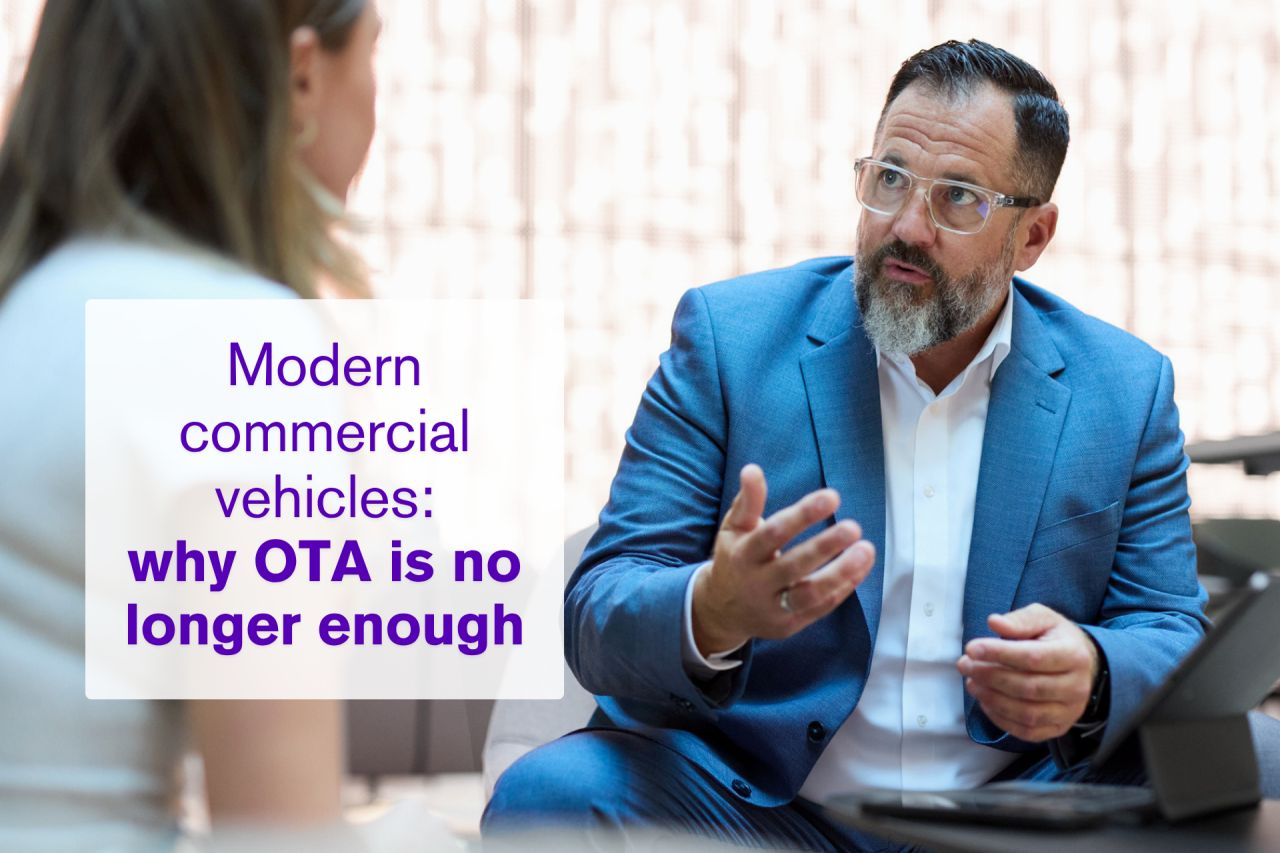
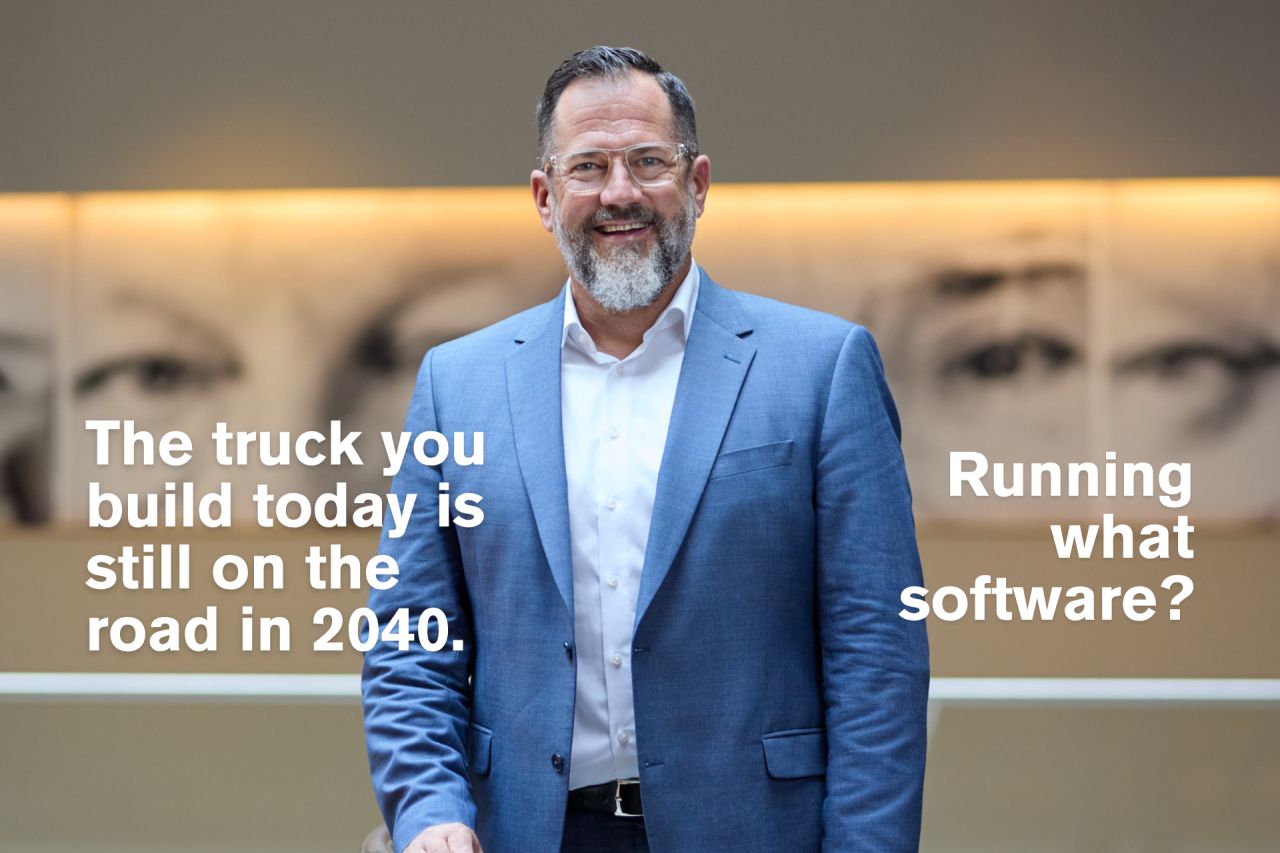
A truck stays in the field for 15 years. But a vulnerability pays no attention to model cycles. Modern commercial vehicles are tied into cloud platforms, telematics systems and backend services. The benefits are considerable. So is the attack surface. And new cyber vulnerabilities appear far faster than vehicles can be replaced. The consequence: manufacturers have to keep bringing security measures into the fleet. Yet every workshop visit for a software update means downtime, effort and higher TCO. At fleet scale, that barely works. This is why over-the-air updating (OTA) keeps gaining importance. Software updates reach the vehicle reliably, without causing unnecessary standstill. But OTA on its own is not enough. ☝️ The real challenge starts where updates have to be rolled out securely, traceably and compliantly across thousands of vehicles and a range of software versions. At the same time, safe vehicle operation has to be maintained across the entire lifecycle, including in the era of software-defined vehicles. This is where the IAV Software Update Management System (SUMS) solution comes in. It creates the basis for managing software updates in a controlled way, meeting compliance requirements and keeping cybersecurity manageable across the full vehicle lifecycle. 💡 It also helps keep vehicles operational over the long term and attractive for a possible second-life deployment. 🔐 Cybersecurity identifies the risks. 🔄 OTA brings the countermeasures into the vehicle. ⚙️ IAV SUMS makes sure this happens securely, at scale and in compliance. Questions on this? Get in touch any time and I will connect you with the experts at IAV!
- LINKEDIN · IMAGESince 5 Sept 2026
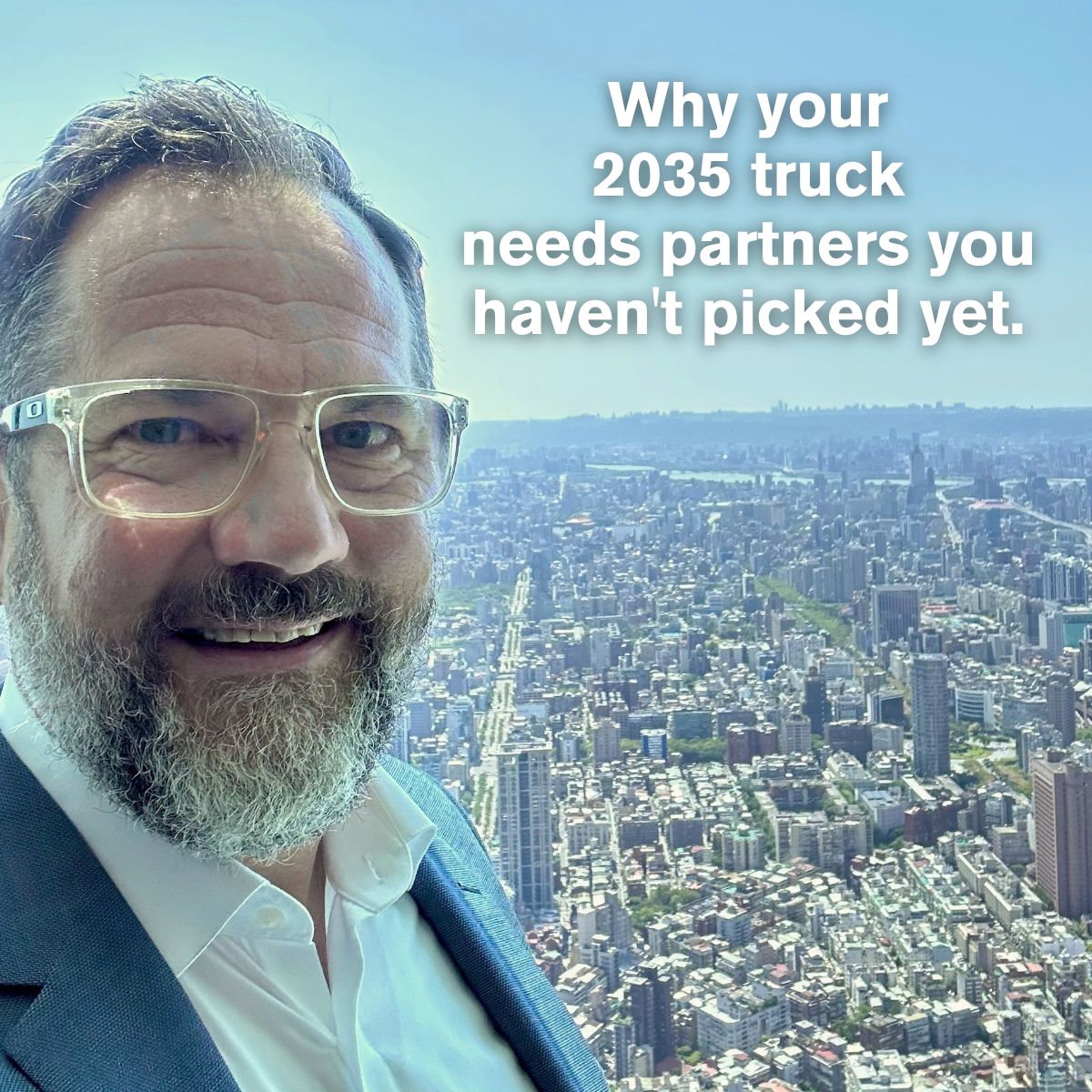
Why the next generation of commercial vehicles requires a new generation of engineering partners ⬇️ For decades, engineering service providers have been valued for capacity and technical expertise. Tomorrow's challenges require something more. Commercial vehicle manufacturers are managing the convergence of software, electrification, connectivity, AI, automation, cybersecurity, functional safety, cloud technologies and global development ecosystems. ☝️ No single discipline can solve this alone. At IAV, we believe the answer lies in a different approach: One-stop engineering powerhouse. Cross-domain expertise. Global delivery. Shared responsibility. ➡️ From powertrain to software-defined vehicles. ➡️ From systems engineering to cloud platforms. ➡️ From concept development to validation and industrialization. ➡️ From local customer presence to globally integrated delivery teams. Our mission is not to provide engineers. 💪 Our mission is to enable OEMs successfully transform their products, organizations and development processes. That is why we see ourselves not only as an engineering service provider, but as a long-term solution partner for the mobility industry. Engineering excellence creates products. Partnership creates transformation. Interested in your view: what makes an engineering partner a real partner for you?
- LINKEDIN · IMAGESince 29 Aug 2026
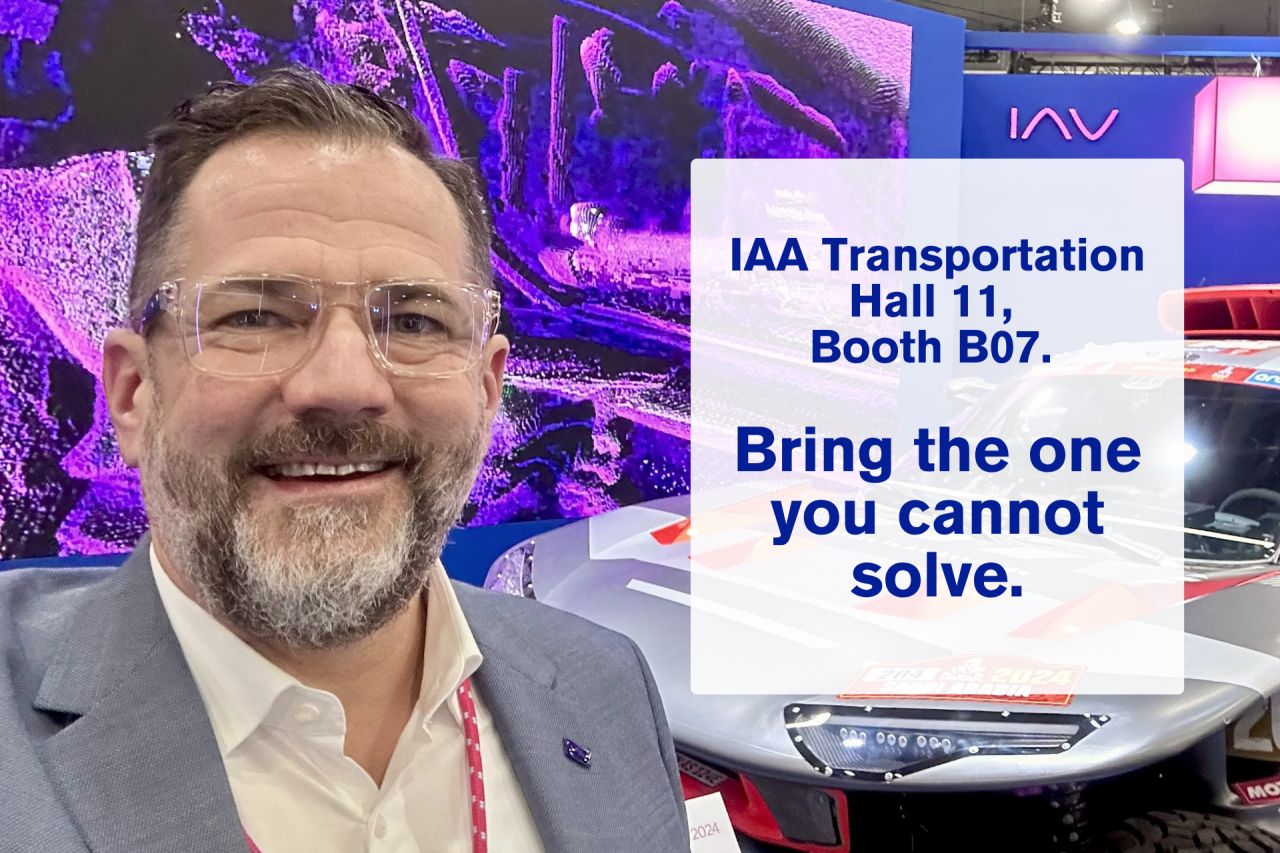
Looking forward to IAA TRANSPORTATION. Above all to the one moment that happens at every trade fair ⬇️ At some point someone comes to the booth and starts talking about what is really stuck on their side right now. That is where it gets interesting. Those moments are the reason I go. Over the last months it was almost always the same two sentences: Costs have to come down. And in three years the vehicle should do what nobody has in series production today. IAV has been developing with the major European OEMs for more than 40 years, and what we bring pays into both of those: 🔸 Virtual validation and simulation, so that fewer prototypes and fewer test kilometres are needed. 🔸 E/E and software architectures that reduce variants instead of multiplying them. 🔸 X-in-1 systems and power electronics, where every component you save shows up on the balance sheet immediately at your volumes. 🔸 Zero emission from HV battery layout all the way to homologation. This industry only moves forward together. No OEM solves this alone, and we do not solve it alone either. What is pressing harder on your side at the moment, the cost or the time? I am in Hannover from Wednesday, 16 September, 2 pm, until Friday evening. My colleagues are on site the whole week, Hall 11, Booth B07. Just drop me a line here or at [email protected], then I will keep half an hour free for us. 🤝
- LINKEDIN · IMAGESince 22 Aug 2026
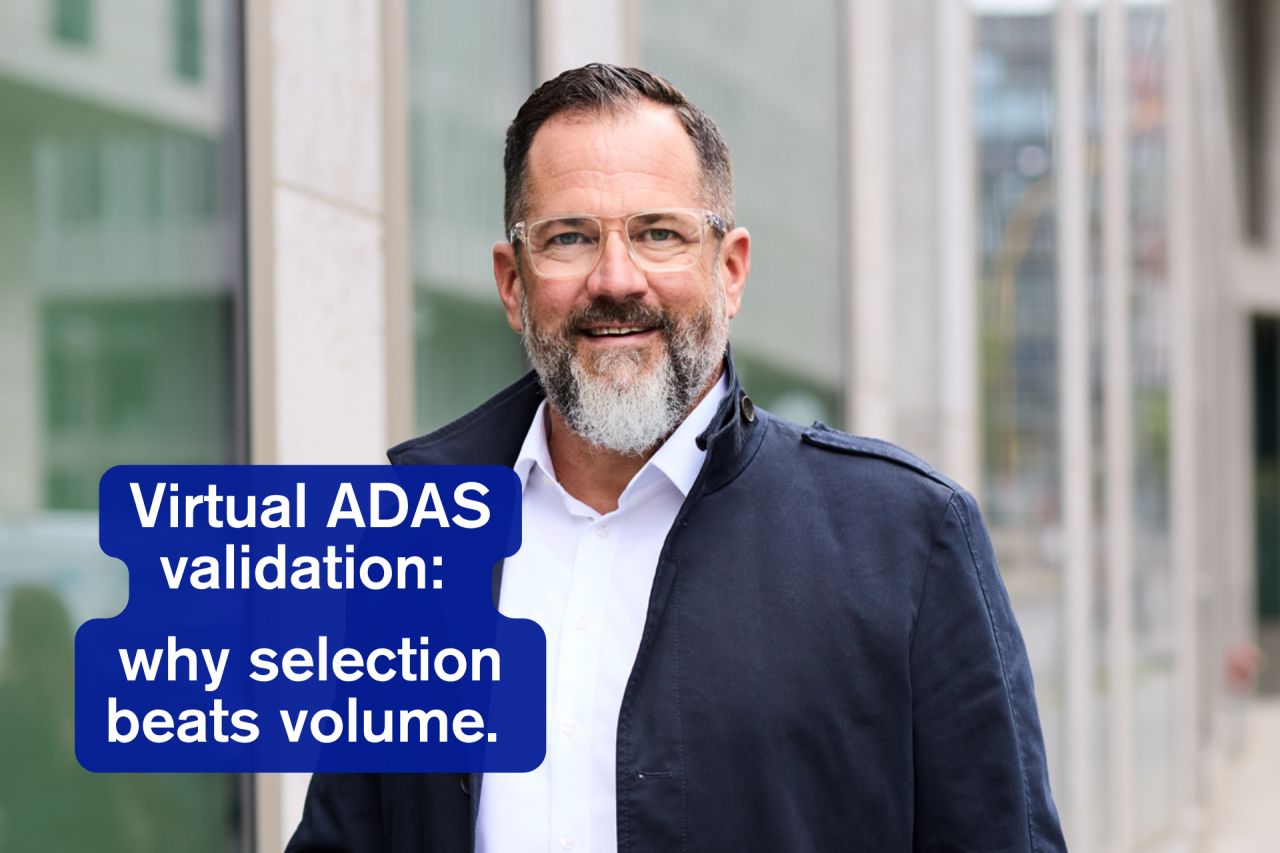
Millions of scenarios are easy to generate. Finding the few that decide whether a system is safe is the hard part. At the same time, expectations keep rising. Regulations and upcoming assessment procedures increasingly call for evidence that is traceable, data-based and close to real-world conditions. So more scenarios are not automatically the answer. More relevance in how those scenarios get selected is. 💡 At IAV GmbH we combine virtual validation, AI-supported scenario generation and data-based analysis of real driving data: ➡️ IAV MELA identifies and analyses relevant, safety-critical situations from large volumes of field data. ➡️ IAV Valdivia Sample then takes those findings into a continuous virtual validation process, varies them systematically and validates them efficiently. That creates a direct link between what vehicles actually experience out there and what we examine in simulation. It helps to ✅ identify critical situations faster ✅ cut simulation effort where it adds nothing ✅ save valuable development time ✅ make the validation of ADAS functions more efficient For heavy duty trucks, off highway applications and special vehicles we see enormous potential here. The central question is no longer whether virtual validation is coming. It is this: How do we select the genuinely relevant scenarios out of a nearly unlimited set, and justify that relevance in a way that holds up? 💬 I would like to hear your view. How do you handle the scenario explosion in ADAS validation today, and which approach has worked best for you?
- LINKEDIN · IMAGESince 21 Aug 2026
🚛 Many OEMs are currently investing in zonal architectures. The real challenge sits somewhere else ⬇️ Software-defined Vehicle ≠ Zonal Architecture. In heavy-duty trucks in particular, this distinction becomes critical. A new hardware architecture on its own does not solve these topics: 🔹 OTA updates 🔹 Feature upgrades across the entire vehicle lifecycle 🔹 New functions for vehicles already in the field 🔹 Software reuse across multiple platforms 🔹 Cybersecurity 🔹 Fleet management On top of that come the heterogeneous ECU landscapes. Control units from different suppliers have to work together reliably, even though they were often not developed as part of one integrated software platform. Every update therefore has to be planned and orchestrated so that compatibility holds across the whole vehicle architecture. The question behind all of this matters more to me. 🧐 How do you develop software today that will still be extensible ten years from now? At IAV we have been working for years on SDV architectures, software containers, orchestration and service-oriented approaches for commercial vehicles and passenger cars. Across projects we see that the road there rarely starts on a greenfield. Cost pressure and limited engineering resources often make a stepwise migration with a clear roadmap more practical than replacing existing architectures in one go. Containerised applications and modern orchestration concepts are the foundation for that. They decouple function from hardware, simplify software rollout and keep the complexity of future truck platforms manageable. ✅ Because in the end, what decides whether an architecture succeeds is whether the software can keep evolving across the entire vehicle lifecycle while staying safe and secure. 💬 What role do software containers, OTA capability and the migration of existing architectures already play in your commercial vehicle projects today?
- LINKEDIN · IMAGESince 11 Aug 2026
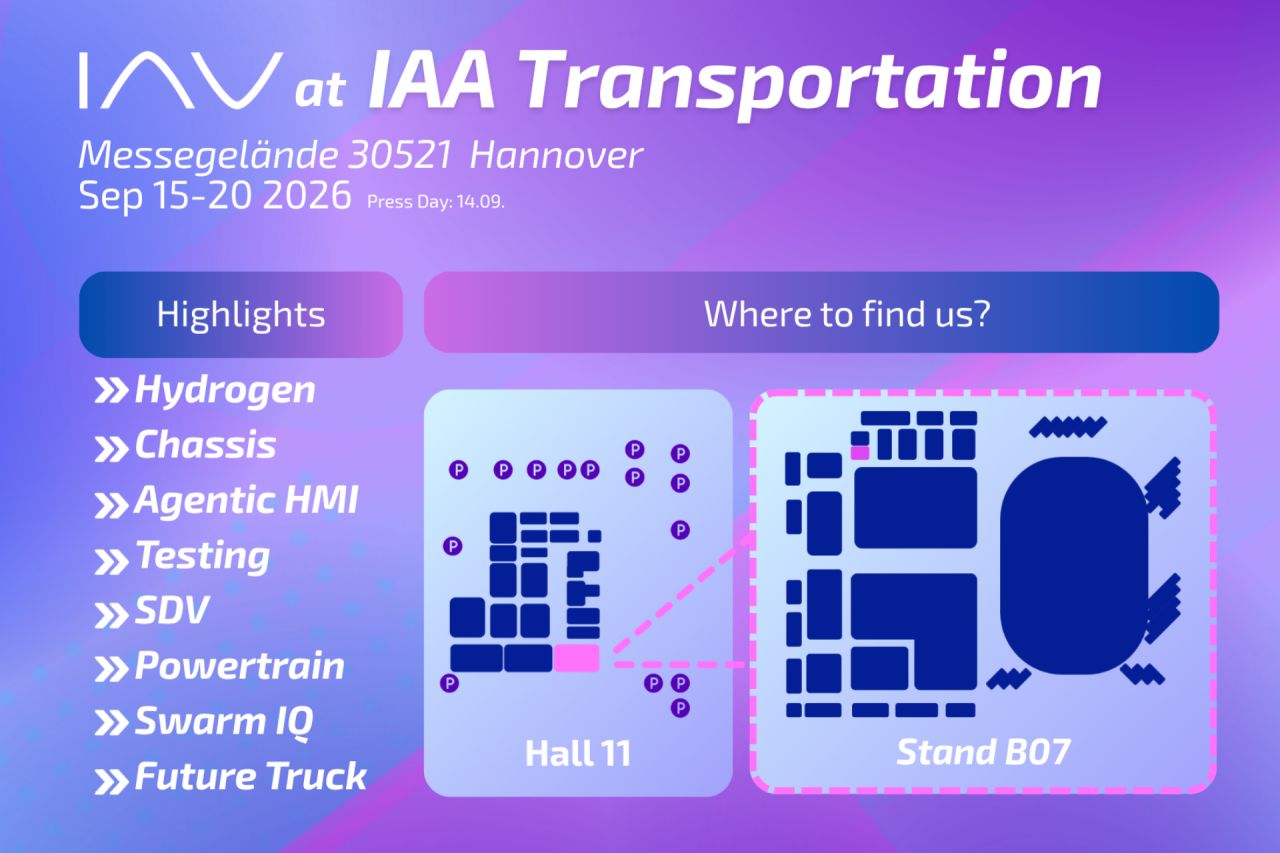
Every other year, IAA TRANSPORTATION brings together the people shaping the future of commercial vehicles. That's what makes the event special for me. After months of virtual meetings, project calls and email exchanges, you finally sit down with customers, partners and colleagues face-to-face. More often than not, a 15-minute discussion at a trade fair creates more momentum than weeks of online meetings. This September, I'll be in Hannover with the IAV team, discussing some of the technologies that will define the next generation of transportation: 🔹 Hydrogen 🔹 Powertrain 🔹 Chassis 🔹 Testing 🔹 Software-Defined Vehicle (SDV) 🔹 Agentic HMI 🔹 Swarm IQ 📍 IAA Transportation 2026 📅 September 15-20 🏢 Hall 11 | Booth B07 Looking forward to reconnecting with familiar faces and meeting new ones. Which of these topics is currently having the biggest impact on your business?
6 of 71 adsSign up to see every IAV GmbH ad, filter by format and date, and get alerts on new ones.
See all 71 adsWatch the companies you care about.
Filter every ad by industry, country, format and network, and get alerts when a company you watch starts running new ads.