On air · 2 of 3 networks
Content Chemistry
- contentchemistry.com.au
- AU
- 5 employees
Content Chemistry’s ads on LinkedIn, Meta and Google, recorded by adsrunning. Browse the latest here for free. Sign up free to see all 24. Watch Content Chemistry with Starter to get each new one in your feed.
Watchlist with Starter · $49/mo
| Network | Status | Live ads | Nov 2025LinkedIn activity · 52 weeksOct 2026 | Checked | Next step |
|---|---|---|---|---|---|
| Running | 24 | Checked 31 Oct 2026 | See all 24 ads → | ||
| Meta | Not checked | — | |||
| Running | 10 | Ads on the Google Ads Transparency Center | Checked 26 Oct 2026 | Collect them with the API → |
Content Chemistry has 24 live LinkedIn ads. We recorded 10 Google ads on 26 Oct 2026.
Latest ads
- LINKEDIN · VIDEORecorded 29 Oct 2026
We asked ANZ’s senior B2B marketers what’s really working in 2026. Some answers surprised us. Get the free report.
- LINKEDIN · IMAGERecorded 27 Oct 2026
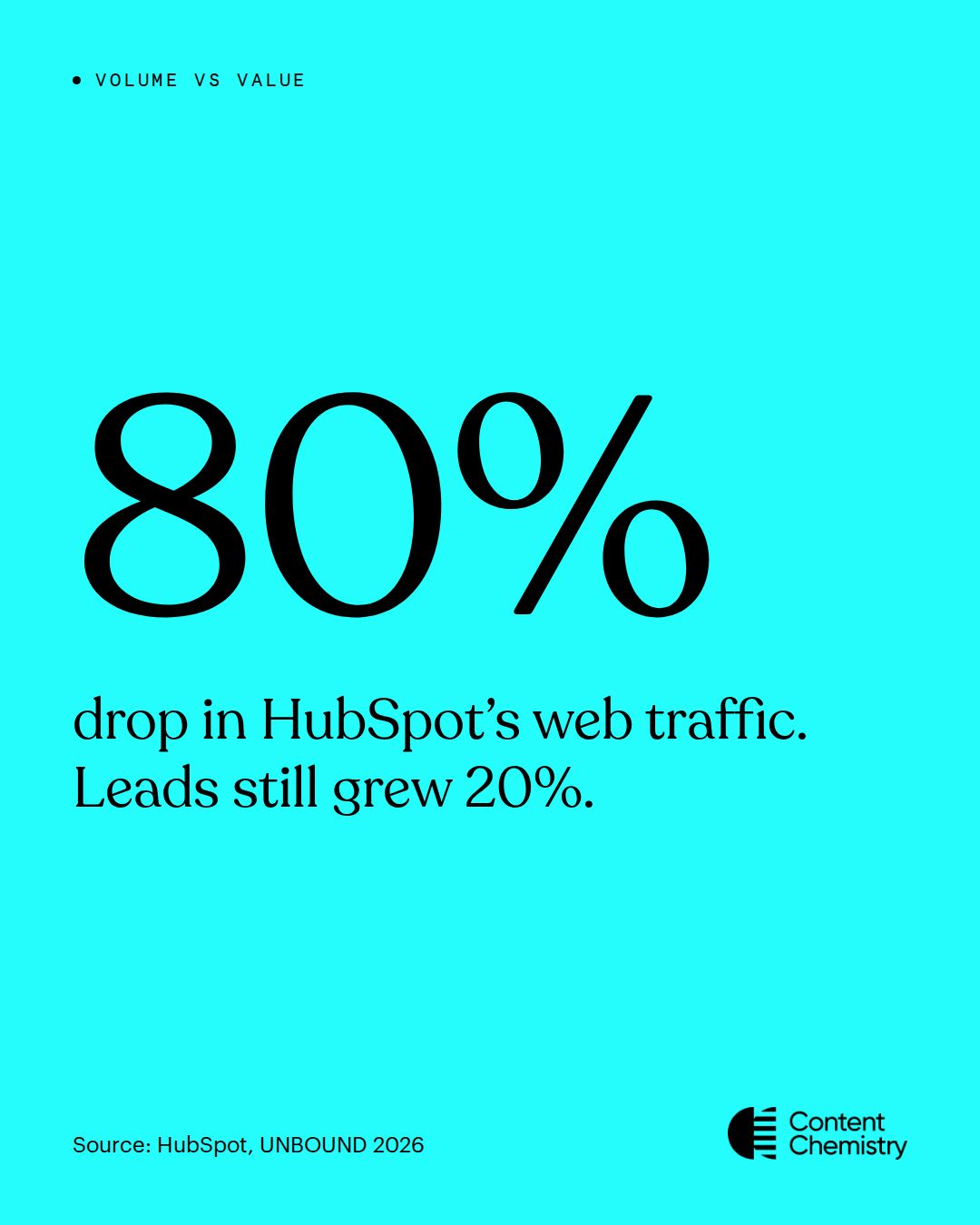
Traffic is the wrong number to put in front of your CEO. HubSpot's CMO Kipp Bodnar shared at UNBOUND that HubSpot’s website traffic has dropped 80%, a loss of 140 million visits in a year. BUT, over the same period, leads grew 20%. The part that stuck with me came from HubSpot’s AEO team. Of every lead source they track, the strongest signal that someone will buy is that they came from an AI answer engine like ChatGPT or Gemini or Claude. Those buyers have already asked their questions, compared their options and read a summary of you before they land on your site. Fewer of them arrive, but they arrive ready. So if traffic is still the headline metric in your marketing report, it’s probably telling a story of decline when the real story is better leads. Three numbers I’d report instead: → Leads and pipeline from AI answer engines, tracked as their own source → Conversion rate from visit to lead → How often AI answers mention you for the questions your buyers ask What’s the headline number in your marketing report right now?
- LINKEDIN · IMAGERecorded 27 Oct 2026
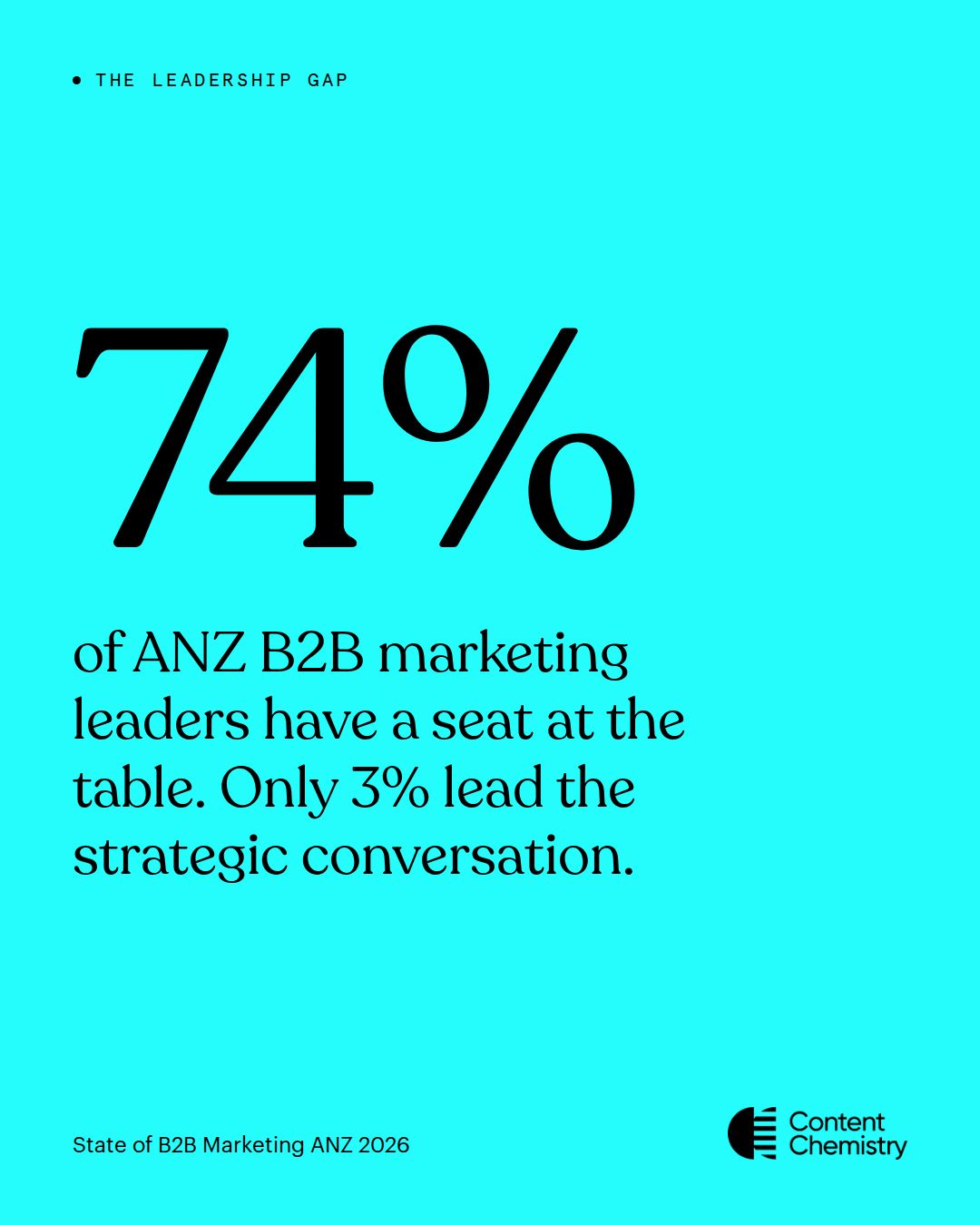
74% of ANZ B2B marketing leaders say marketing has a strong seat at the table. Only 3% say it leads the strategic conversation. That's from the State of B2B Marketing ANZ 2026 report I put together this year, and it's the gap I keep coming back to. Being in the room and running the meeting are two very different things. My read is that it comes down to one question: can you prove what marketing is worth? In the same report, 71% couldn't confidently prove marketing's revenue contribution. It's hard to lead a strategic conversation when your numbers are the first thing questioned. The marketers who do lead it talk about pipeline, revenue and customers rather than campaigns, clicks and content. They walk in with one number the CEO already cares about, and they can defend it. If you want to move from having a seat to running the meeting, start by picking that one number. Then make sure your CRM can back it up. Which number would your CEO trust from marketing right now?
- LINKEDIN · IMAGERecorded 23 Oct 2026
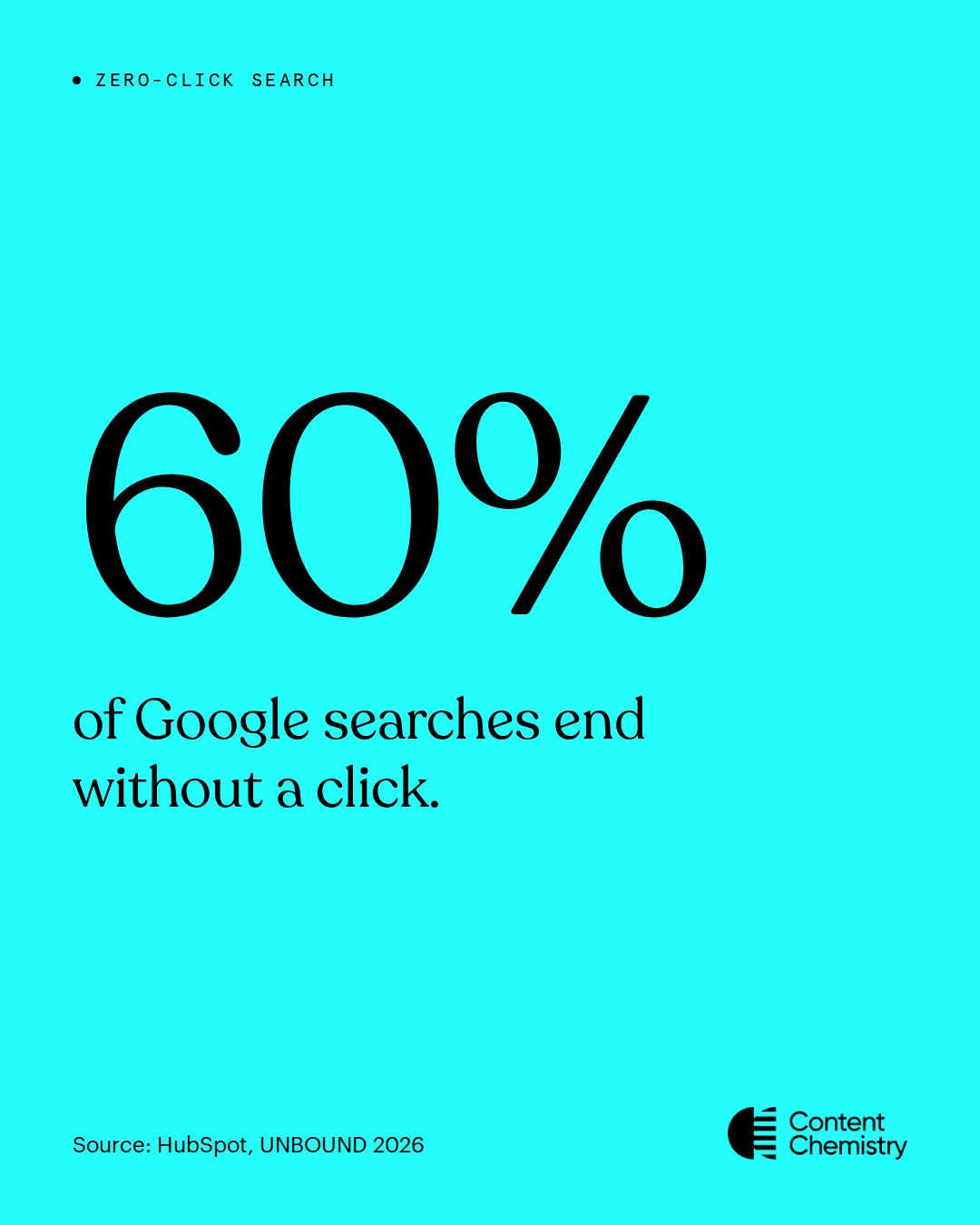
60% of Google searches end without a click. HubSpot's AEO team shared that number at UNBOUND, and Google added one that matters just as much. Searches in Google’s AI Mode are *3x* longer than traditional searches. Put those together and the shift is clear. Buyers aren’t typing “HubSpot partner” and browsing ten blue links any more. They’re asking full questions, like which HubSpot partner in Australia has migrated a 100-person SaaS company off Salesforce, and getting an answer without ever visiting a website. I know for me personally, I'm not typing anymore. I'm dictating into Claude and ChatGPT directly or using a tool like Wispr Flow. That changes what your content needs to do. A page written to rank for a two-word keyword won’t answer a twenty-word question. What works now is content that answers specific questions directly, includes real detail about who you work with and what you’ve done, and gets mentioned on other sites, not just your own. The practical starting point is simple. Pull the questions prospects actually ask on sales calls, and check whether your website answers them in plain language. If it doesn’t, AI will still answer them. It’ll just use someone else’s content.
- LINKEDIN · IMAGERecorded 17 Oct 2026
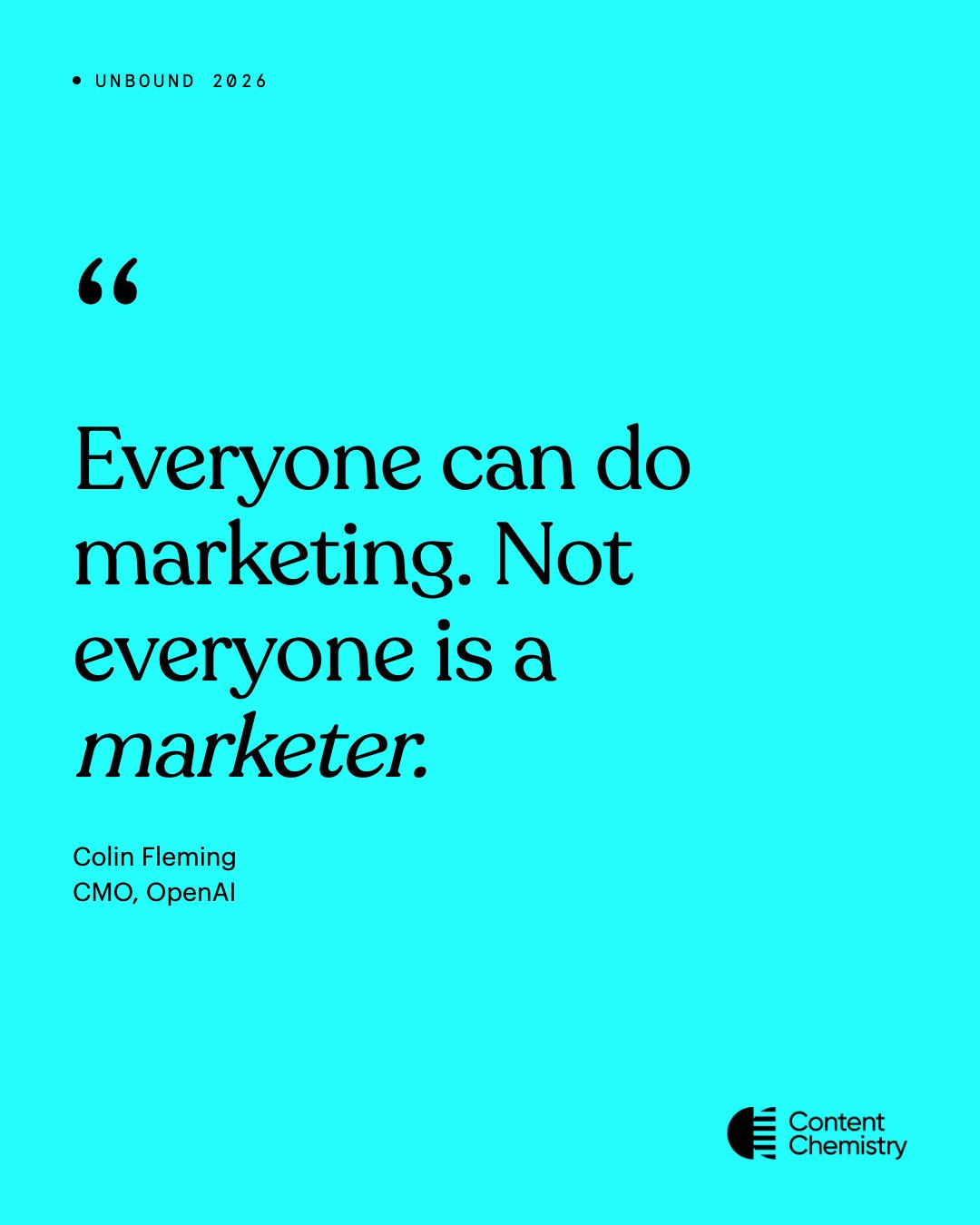
"Everyone can do marketing. Not everyone is a marketer." That line came from Colin Fleming, CMO at OpenAI, at HubSpot's UNBOUND. It's stuck with me since. His point is that AI has shrunk the distance between an idea and a finished asset. Product managers are making ads. Salespeople are building their own campaigns. Some of the best ideas inside OpenAI come from outside the marketing team. So what's left for marketers? He named three things: → Context. Having a deeper understanding of the customer than anyone else in the business. → Judgement. Knowing what's worth shipping and what isn't. → Taste. Making sure it tells a story only your company could tell. AI made the making part cheap. Knowing what's worth making just got a lot more valuable. Where are you seeing that gap show up in your team?
- LINKEDIN · IMAGERecorded 8 Oct 2026
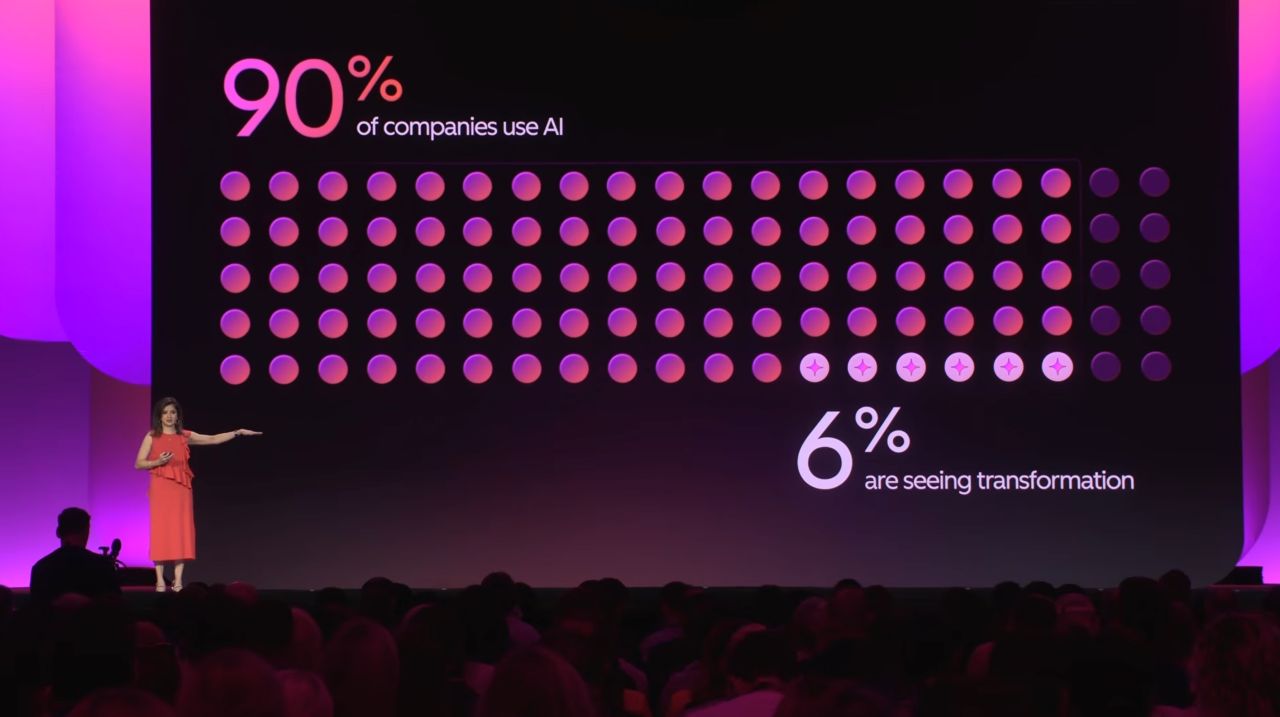
90% of companies are using AI but only 6% are seeing real results from it. That's not a stat from a random LinkedIn post. That's HubSpot's own research, surveyed across 6,000 customers and prospects, revealed at UNBOUND last week. HubSpot CEO Yamini Rangan called it the "maxxing phase." The moment after a new technology arrives when everyone rushes to use it on everything, before anyone works out what it's actually for. I've seen this exact pattern on discovery calls all year. → More tools bolted onto the stack → More content generated → More "AI-powered" workflows → Fewer people who can point to what any of it moved HubSpot's data backs this up in a way I didn't expect. The best performing companies aren't running more AI use cases. They're running fewer, done properly. Out of roughly 50 use cases tracked across the customer journey, the top performers use four or five well. Everyone else is spread across a dozen, wondering why nothing compounds. The other research that stopped me: bad context makes AI worse than no AI at all. Not neutral. Worse. AI recommending a product you discontinued, or calculating ARR with the wrong definition, burns trust faster than a manual process ever would. The takeaway? The AI model isn't the differentiator any more. Your first-party data and context are.
6 of 24 adsSign up to see every Content Chemistry ad, filter by format and date, and get alerts on new ones.
See all 24 adsWatch the companies you care about.
Filter every ad by industry, country, format and network, and get alerts when a company you watch starts running new ads.