Not on air · 3 of 3 networks checked
Charles Telfair Centre
- charlestelfaircentre.com
- Think Tanks
- MU
- 8 employees
Charles Telfair Centre’s ads on LinkedIn, Meta and Google, recorded by adsrunning. Browse the latest here for free. Sign up free to see all 23. Watch Charles Telfair Centre on any plan to get each new one in your feed.
Watchlist included in every plan
| Network | Status | Live ads | Nov 2025LinkedIn activity · 52 weeksNov 2026 | Checked | Next step |
|---|---|---|---|---|---|
| None recorded | 0 | Checked 2 Nov 2026 | See all 23 ads → | ||
| Meta | None recorded | 0 | No active ads recorded on the Meta Ad Library | Checked 18 Oct 2026 | Collect them with the API → |
| None recorded | 0 | No ads found on the Google Ads Transparency Center | Checked 25 Oct 2026 | Collect them with the API → |
Charles Telfair Centre has no live LinkedIn ads. Its Facebook page had no active ads on 18 Oct 2026, and we recorded no Google ads on 25 Oct 2026.
Latest ads
- LINKEDIN · IMAGESince 14 May 2026
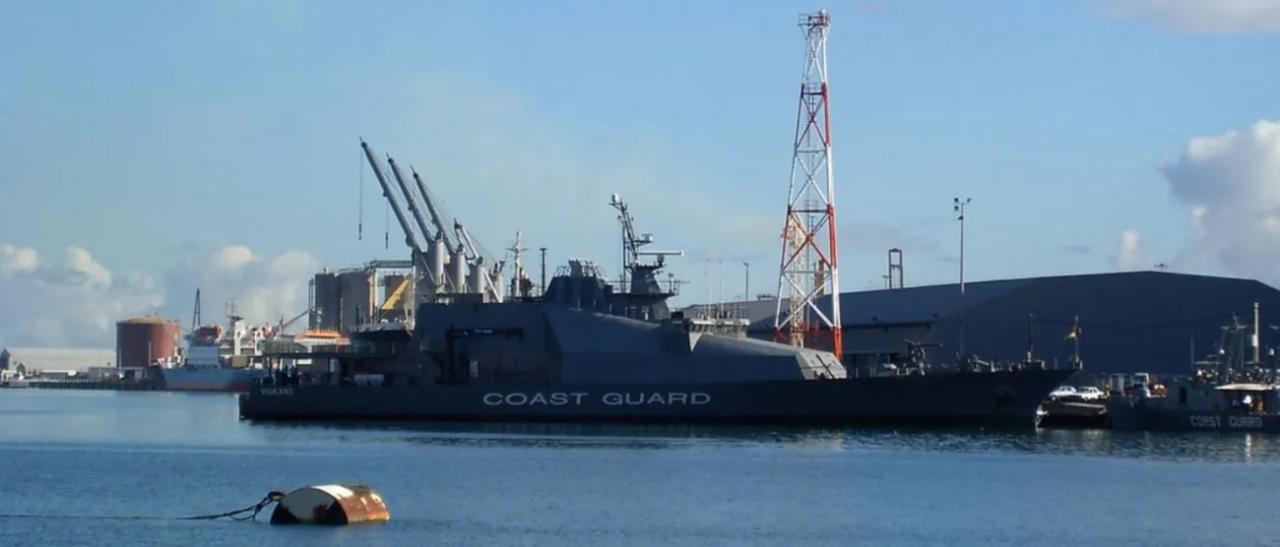
🔵 𝐖𝐈𝐎 𝐅𝐔𝐓𝐔𝐑𝐄𝐒 𝐒𝐄𝐑𝐈𝐄𝐒 🔵 The current geopolitical shifts triggered by the US-Iran war has presented Mauritius with a unique, although temporary, strategic opportunity. However, Port Louis harbour has not been able to fully capitalise on these global disruptions, losing ground to regional competitors like Durban, Cape Town, Mombasa, and Djibouti who have shown greater improvements since 2010. As we get ready for the WIO Futures 2026, being held on 18th and 19th May 2026, Prof. Jaime de Melo de Melo highlights the importance of Port Louis’s harbour’s efficiency in securing a resilient blue economy. Addressing the relative lag in performance of the Port Louis harbour, compared to ports of neighbouring countries, Prof. de Melo calls for: · Hard infrastructure upgrades, and · Soft infrastructure reform Read more below: https://lnkd.in/d-KEEceB
- LINKEDIN · IMAGESince 7 May 2026
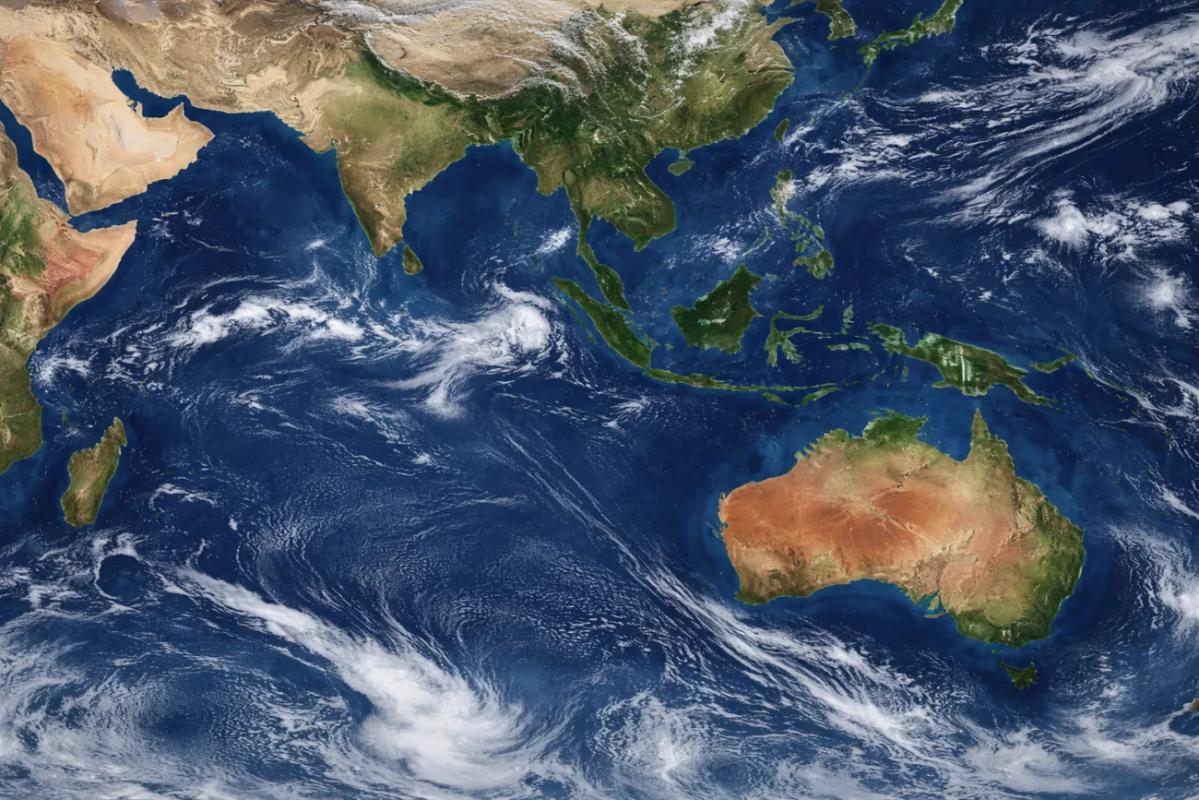
🔵 𝐖𝐈𝐎 𝐅𝐔𝐓𝐔𝐑𝐄𝐒 𝐒𝐄𝐑𝐈𝐄𝐒 🔵 “For too long, ocean governance has been hampered by a “data gap”. Without precise, real-time understanding of maritime conditions, policy decisions are often reactive rather than proactive. WIO Futures 2026 is set to challenge this status quo by bringing together four leading researchers – Dr Nadir Kapetanović, Prof Atmanand M A, Prof Weimin Huang, and Dr Bharath Kalyan– , whose work turns complex data into "decision-ready" intelligence”. For Dr Shyam Kumar Madhusudhana, Group Leader, UWIN-LABUST, Faculty of Electrical Engineering and Computing, University of Zagreb, Croatia, and Adjunct Research Associate, Curtin University, Australia –, a clear understanding of the physical and biological world is essential to ensure the resilience of the Western Indian Ocean (WIO). Join us at the 𝐖𝐈𝐎 𝐅𝐮𝐭𝐮𝐫𝐞𝐬 𝟐𝟎𝟐𝟔 to learn how high-tech innovation can be turned into practical, actionable policy! Stakeholders, entrepreneurs, and coastal residents alike will learn how science can be turned into accessible, low-cost, and a scalable tool for a sustainable management of the WIO. Register here: https://lnkd.in/dpCByqCi Programme: https://lnkd.in/dXPhZmZe Read the full article below: https://lnkd.in/d5QA2PFA
- LINKEDIN · IMAGESince 5 May 2026
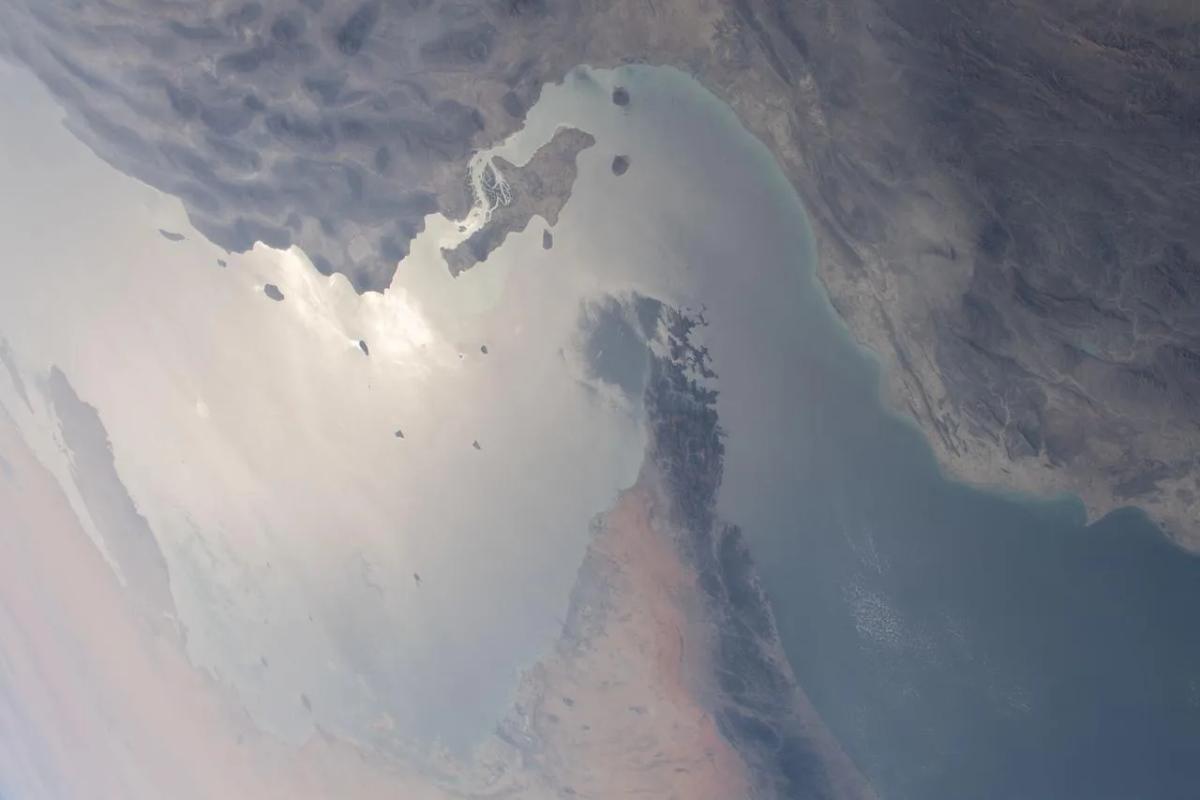
🔵 𝐖𝐈𝐎 𝐅𝐔𝐓𝐔𝐑𝐄𝐒 𝐒𝐄𝐑𝐈𝐄𝐒 🔵 “Strengthening regional connectivity and energy markets, and regional maritime security cooperation will be key for ensuring sustainable prosperity and peace in the Western Indian Ocean region”. Ahead of our WIO Futures conference, Prof Christian Bueger, Professor for International Relations at the University of Copenhagen, Denmark, and Associate Fellow of the Charles Telfair Centre in the area of regional ocean governance and maritime security –, offers an analysis of the impact of the Gulf War on the Western Indian Ocean region. Prof. Bueger highlights: ◽ The severe economic impact on small island states which are dependent on tourism income and energy imports. ◽ The urgent need for the region to reduce its dependency on fossil fuels. ◽ The importance of strengthening regional cooperation to enhance risk mitigation and ensure protection against economic shocks. What concrete policy shifts are needed today for the Western Indian Ocean region to better anticipate, and not just absorb, the next global disruption ? Read more: https://lnkd.in/dVv5Jd8G
- LINKEDIN · IMAGESince 21 Apr 2026
“A woman’s ability to exercise agency, access resources, and be recognised as an autonomous actor depends significantly on relational dynamics that extend beyond her own income.” Looking at the experience of married women in Mauritius and Zimbabwe, this study finds that women’s financial independence does not necessarily translate into empowerment. Instead, in such contexts, they have to negotiate through informally governed structures, patriarchal norms and relational dynamics that extend beyond their own income. Thank you to Zuberia Hosanoo, Dr Soujata Rughoobur-Seetah, Loga Devi Balla Soupramanien, PhD, FHEA, Melina Seedoyal Doargajudhur (SFHEA), Jessica Lichy, and Dr Daniel Wheatley for sharing their work with us! Read more: https://lnkd.in/deSGGSdP
- LINKEDIN · IMAGESince 9 Apr 2026
From the 10th to the 12th of April 2026, Mauritius will be hosting the 9th Indian Ocean Conference under the theme “Collective Stewardship for Indian Ocean Governance”. Ahead of this event Pooja Awotar Jhinni A. , Programme Assistant for Port Security and Safety of Navigation at the Indian Ocean Commission, offers an analysis of the event’s potential to assess areas of improvement for the region’s maritime governance architecture. Read more: https://lnkd.in/d_9ag8az
- LINKEDIN · IMAGESince 17 Mar 2026
While Small Island Developing States (SIDS) contribute less than 1% of total global greenhouse gas emissions, they are the most vulnerable to their climate impacts. It is therefore urgent for them to achieve resilience not only through technical solutions but also by adjusting ecological, social, and economic systems. In this study, however, Sanju Deenapanray, Jacques Rudy Oh Seng, and Carola Klöck find that the governance structures available to SIDS in the face of climate change are generally weak. To remedy this, the authors propose a 3-tiered governance framework that encompasses: ◽ the three core pillars of governance: policy planning, institutional arrangements, and laws and regulations. ◽ the five principles of efficiency: transparency, accountability, equity, legitimacy, and subsidiarity, and ◽ the rule of law and democratic processes, political commitment, and cultural and religious values Read more here: https://lnkd.in/dv4FEXuA


6 of 23 adsSign up to see every Charles Telfair Centre ad, filter by format and date, and get alerts on new ones.
See all 23 adsWatch the companies you care about.
Filter every ad by industry, country, format and network, and get alerts when a company you watch starts running new ads.