Not on air · 3 of 3 networks checked
AES International
- aesinternational.com
- Financial Services
- AE
- 88 employees
AES International’s ads on LinkedIn, Meta and Google, recorded by adsrunning. Browse the latest here for free. Sign up free to see all 667. Watch AES International with Starter to get each new one in your feed.
Watchlist with Starter · $49/mo
| Network | Status | Live ads | Nov 2025LinkedIn activity · 52 weeksNov 2026 | Checked | Next step |
|---|---|---|---|---|---|
| None recorded | 0 | Checked 1 Nov 2026 | See all 667 ads → | ||
| Meta | None recorded | 0 | No active ads recorded on the Meta Ad Library | Checked 16 Oct 2026 | Collect them with the API → |
| None recorded | 0 | No ads found on the Google Ads Transparency Center | Checked 30 Oct 2026 | Collect them with the API → |
AES International has no live LinkedIn ads. Its Facebook page had no active ads on 16 Oct 2026, and we recorded no Google ads on 30 Oct 2026.
Latest ads
- LINKEDIN · IMAGERecorded 3 Sept 2026
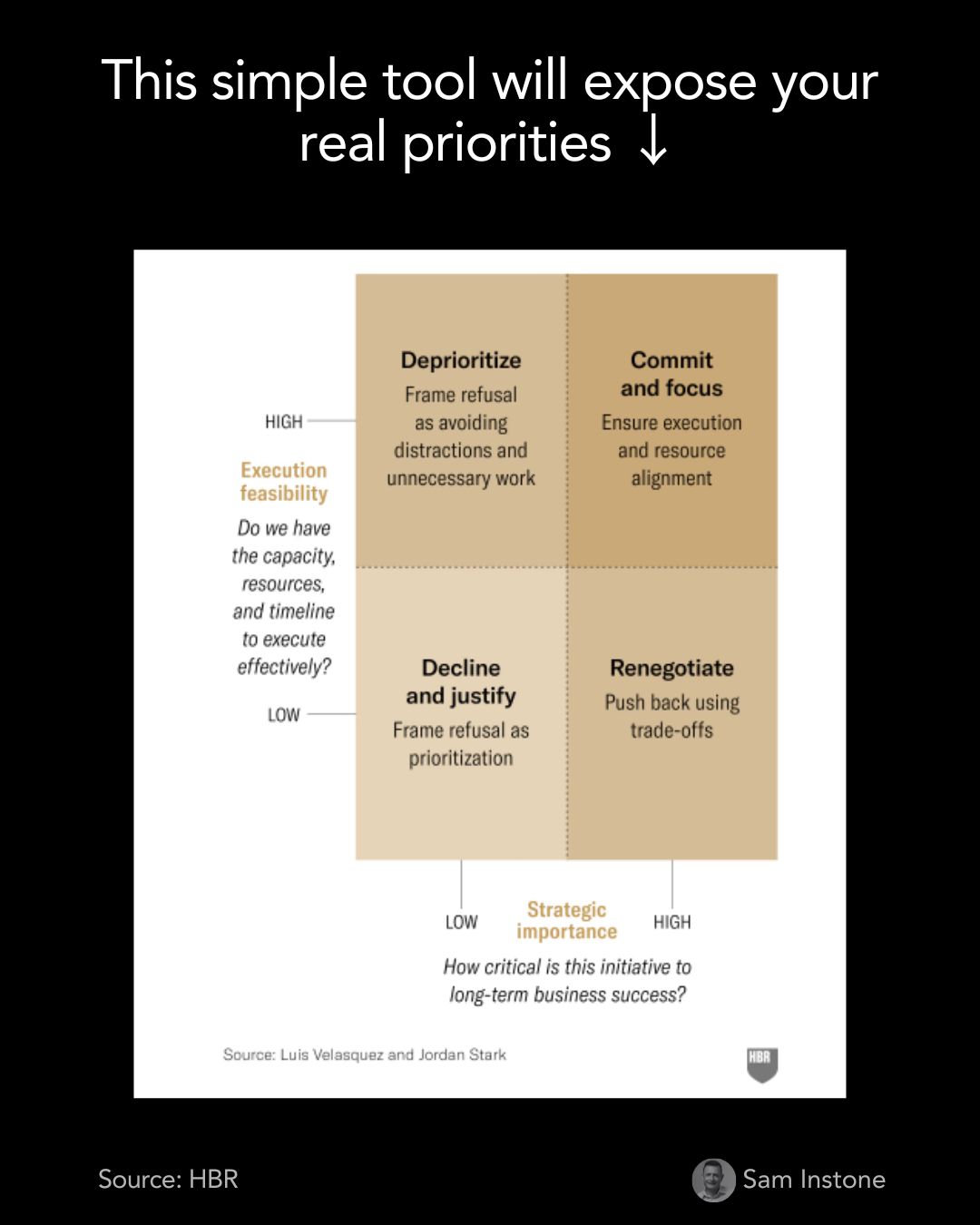
The wealthiest families I work with have one skill in common - and it has nothing to do with picking investments. They know how to say no. At a certain level, opportunity isn’t the constraint. Attention is. You’re not short on investment offers, business ideas, property deals, or “quick requests.” You’re short on the capacity to execute without diluting everything that actually matters. Harvard Business Review has a tool to help, they call it the Strategic Refusal Matrix - and it's a simple but brutal way to help you decide what truly deserves your yes. It evaluates every decision on two axes: 1) Strategic importance 2) Feasibility (time, capital, energy) Here’s how wealthy families use it: 1. High importance / High feasibility These are the non-negotiables: Retirement funding. Health infrastructure. Children’s education. Core protection & planning. Default: Full commitment. Zero dilution. 2. High importance / Low feasibility The goals that matter - but not in their current structure: Retire at 50 (but the numbers say 60). Buy the second property (but cashflow says wait). Sell the business next year (but the plan relies on luck). Default: Renegotiate the plan - not the ambition. 3. Low importance / High feasibility The things you could do easily… that barely move your life forward. Another upgrade. A marginal investment. The “why not?” purchases. Default: Deprioritise. Prevent distraction creep. 4. Low importance / Low feasibility The biggest wealth destroyers: Status-driven commitments. Trophy assets. Illiquid passion projects. High-drama deals. Default: A clean, confident no. Why this matters: Most people ask: “Can we afford this?” The wealthy ask: “Does this deserve our limited attention, capital, and energy - given everything else competing for them?” Every yes displaces something. If it doesn’t, you’re pretending capacity is infinite. One family I advise runs every major decision through this matrix—investments, property, business ventures, even lifestyle choices. The outcome? ✔ Less decision fatigue ✔ Clearer priorities ✔ Better returns (financial and emotional) ✔ A shared family strategy - not guesswork Their “no” isn’t emotional. It’s evidence-based. “No” stops being defensive. It becomes a strategic allocation decision. You're long on opportunity. Protect what you're short on. ➡ Which quadrant is currently draining resources it doesn’t deserve?
- LINKEDIN · IMAGERecorded 3 Sept 2026
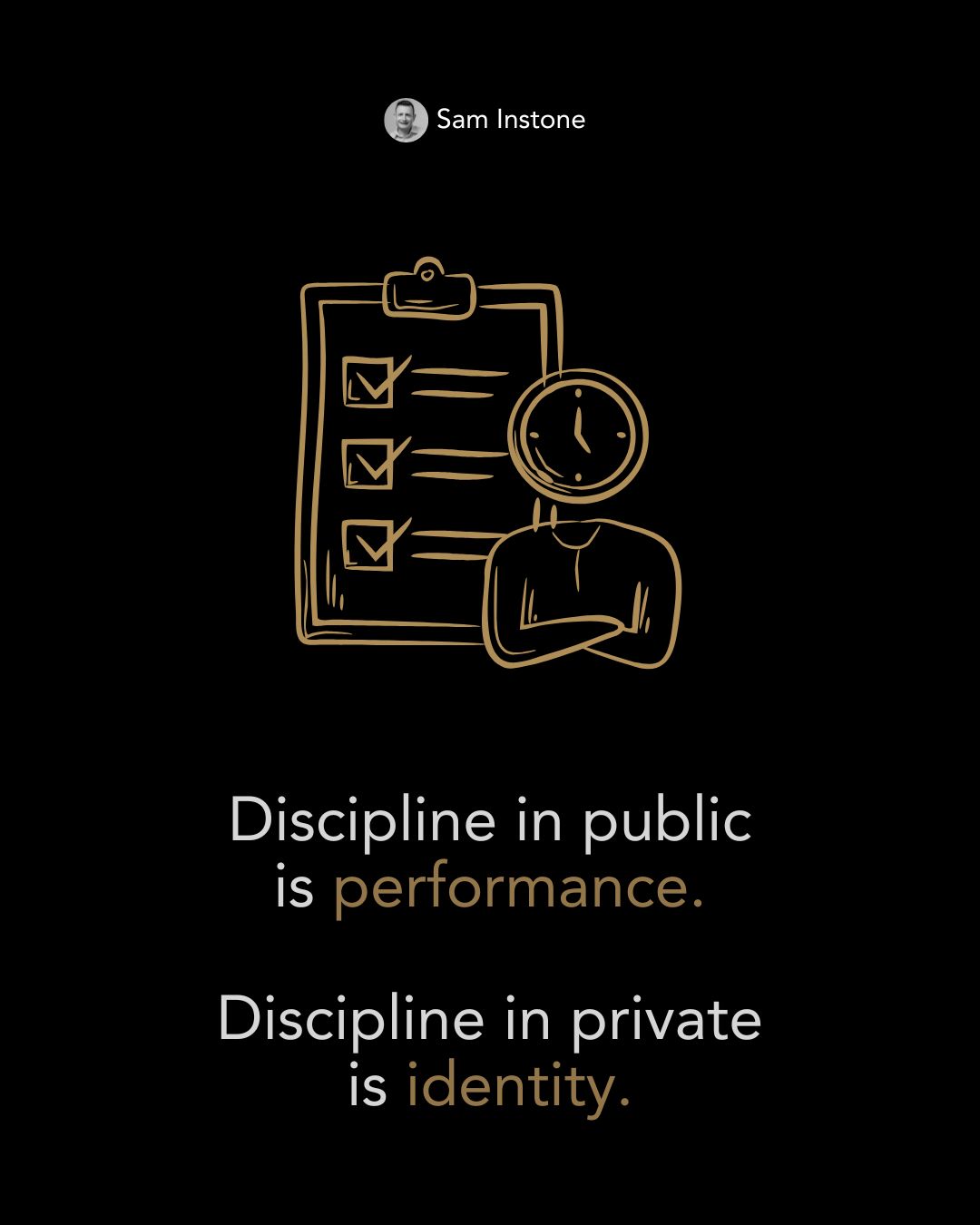
"If the treadmill can make me quit, what happens when I get into the ring with a guy who's hit me?" — Chris Eubank Jr. The boxer describes running with a cramp at 32 minutes when he'd set the timer for 40. One leg. Limping. Eight minutes left. He finishes anyway. Not because anyone's watching. Because of what quitting does to you internally. "You can't quit when no one is watching. You don't ever want to put that spirit inside yourself. They are demons, and if you let them in often enough, they will take over." This applies to wealth in ways most people never consider. The small financial disciplines no one sees. The rebalancing you do when markets are calm. The spending boundary you maintain when you could easily breach it. The investment thesis you stick to when everyone's chasing something shinier. Nobody would know if you quit. Your adviser wouldn't know you checked your portfolio six times today instead of once a quarter. Your family wouldn't know you broke your own allocation rules. The market doesn't care whether you held your position or panic-sold at midnight. But you'd know. And that's the problem with private compromises - they compound silently. Discipline in public is performance. Discipline in private is identity. The families who preserve wealth across generations aren't performing discipline for an audience. They've internalised it. The rules hold whether anyone's watching or not. Christopher Morley wrote: "There is only one success—to be able to spend your life in your own way." Your own way requires knowing who you are. And you discover who you are in the moments no one's watching. Every private compromise erodes that identity slightly. Every kept commitment - especially the invisible ones - reinforces it. The treadmill won't make you quit. The market won't make you quit. The lifestyle pressure won't make you quit. Unless you've already let those demons in when no one was looking. What discipline are you keeping only when someone's watching? #WealthMastery #SelfDiscipline #FinancialDiscipline #MentalModels
- LINKEDIN · IMAGERecorded 3 Sept 2026
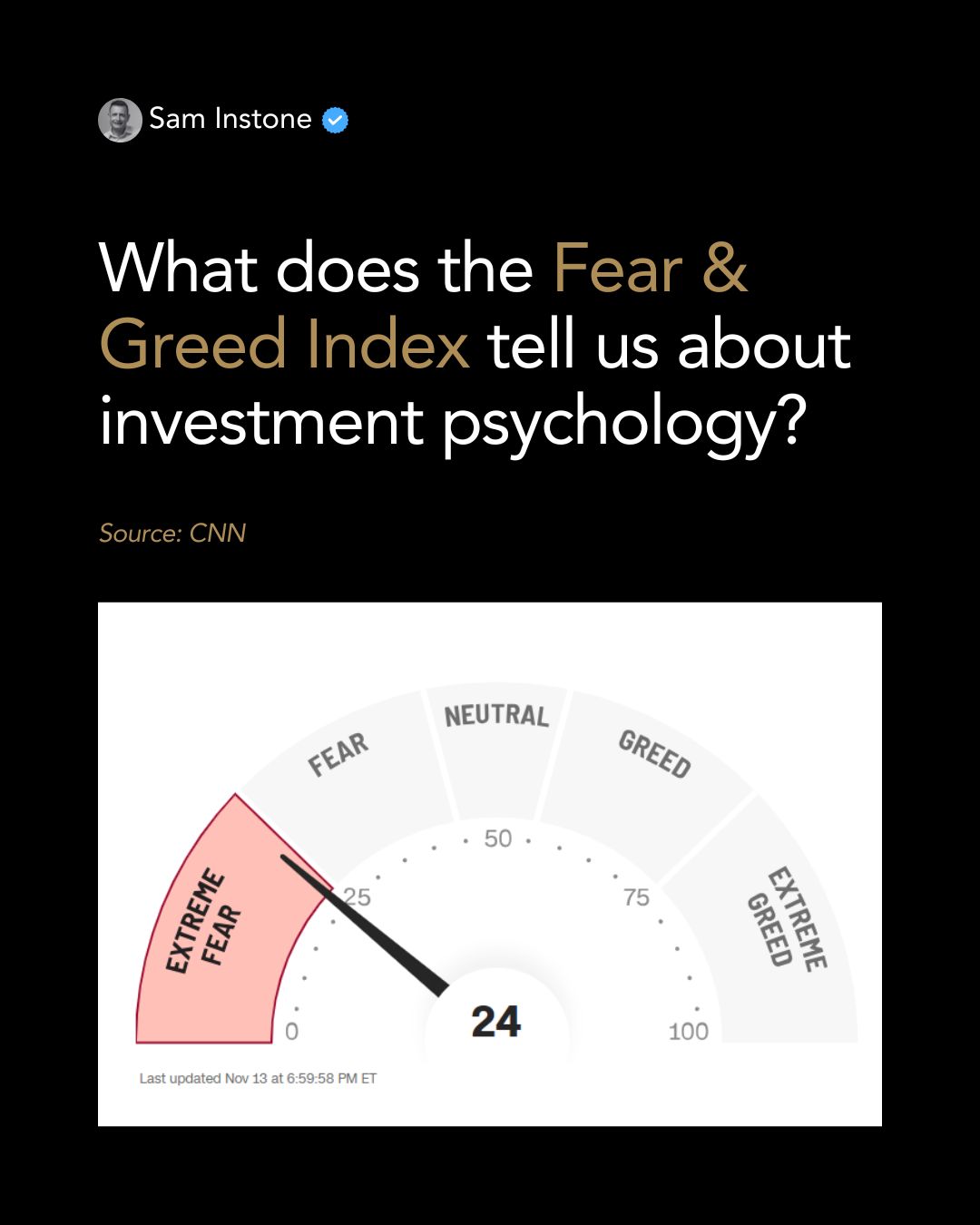
Extreme fear. That's where the Fear & Greed Index sits right now. It measures whether fear or greed is driving the US stock market. I've watched this pattern for 20+ years: markets aren't moved by fundamentals alone. They're moved by how people feel about fundamentals. Right now, investors feel terrible. Extreme fear means people are making decisions based on what others are doing, not what fundamentals suggest. But here's the harder truth: understanding this intellectually doesn't stop the emotional response. When extreme fear hits, your brain screams "do something" louder than logic whispers "think this through." The investors who build lasting wealth aren't the ones who suppress fear. They're the ones who build systems that function regardless of what they're feeling. Automatic rebalancing. Predetermined rules about when to deploy cash. Decision frameworks created when you're calm, executed when you're not. Because extreme fear passes. It always does. The question is whether you let it drive decisions you'll regret when clarity returns. The index measures sentiment, not value. Don't confuse the two. How do you prevent emotions from driving your investment decisions? #InvestmentPsychology #BehaviouralFinance #WealthMastery
- LINKEDIN · VIDEORecorded 3 Sept 2026
Should you sell before the crash? Hold cash? Reduce exposure? Wrong questions. The right question: How do you invest when the future is uncertain and the market feels expensive? My new video breaks down what 20+ years of market cycles have taught me about preparing (not predicting). Because the investors who try to time the crash always miss the recovery. Watch here: https://lnkd.in/dZYYVAEV What's making you nervous about markets right now?
- LINKEDIN · IMAGERecorded 3 Sept 2026
The wealth threshold paradox: most families feel wealthier at $500K than they do at $5M. Not because they have less money. Because they have fewer complications. At $500K, your financial life is manageable. One property. One retirement account. Clear, DIY decisions. Straightforward tax situation. At $5M and above, everything fractures. Multiple properties across jurisdictions. Trusts or foundations. Estate planning. Tax advisers who contradict each other. Decisions that require legal opinions before you can act. Family governance questions you never anticipated. Your wealth grew. Your complexity grew faster. Your peace of mind didn't. I've watched families spend six months deciding whether to sell a property because the tax implications span multiple countries. The mental overhead of managing complexity often exceeds the benefit of the additional wealth. Which wealthy families truly enjoy their money? The ones that obsess over simplification. Not because they can't handle complexity - because complexity steals attention from what actually matters - a great life. More wealth should create more freedom. If it's creating more stress, your structure needs redesigning. Life's not a rehearsal - every day time is ticking by and your wealth should align and power whatever is important to you. For me, it's all about creating great memories with my kids in the very precious and limited time I have available with them. Hopefully this may evolve into grandkids... Where's the alignment between wealth accumulation and doing what's most in life for you? #WealthIntegration #FamilyWealth #SystematicWealth
- LINKEDIN · IMAGERecorded 3 Sept 2026
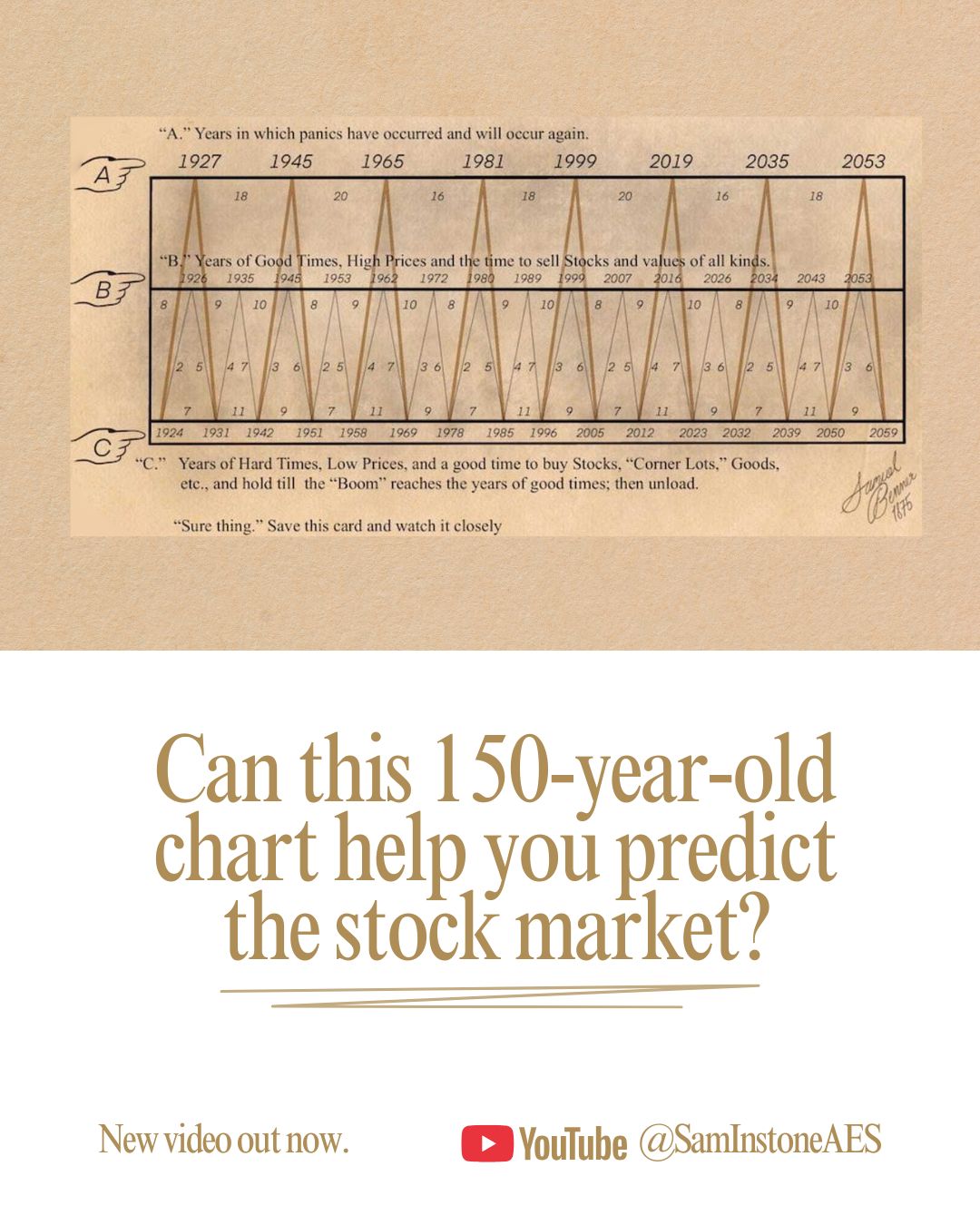
A hand-drawn chart from 1873 has been calling market crashes for 150 years. The Benner Cycle flagged them all. I'm not typically interested in predictions. But when a chart drawn over 150 years ago keeps calling major turning points with unsettling accuracy, it's worth examining. I just broke down what the Benner Cycle is, why it's worked, and what it might be signalling about the next few years. More importantly: why using any prediction - even a historically accurate one - as the foundation of your wealth strategy is dangerous. Watch the full breakdown: https://lnkd.in/dGJevDJn Markets move in cycles. Your decisions shouldn't depend on predicting them perfectly. #MarketCycles #WealthMastery #InvestmentStrategy #BennerCycle
6 of 667 adsSign up to see every AES International ad, filter by format and date, and get alerts on new ones.
See all 667 adsWatch the companies you care about.
Filter every ad by industry, country, format and network, and get alerts when a company you watch starts running new ads.